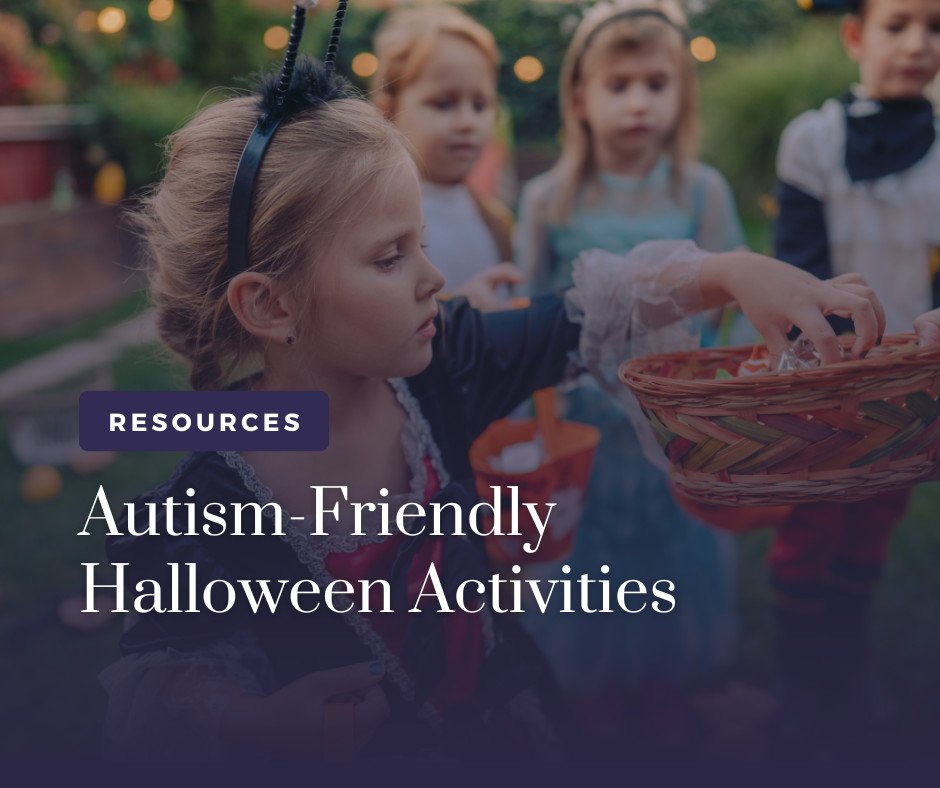
Halloween is an exciting season filled with costumes, decorations, and treats. For autistic children and kids with sensory processing differences, however, the holiday can also bring unique challenges. Loud noises, flashing lights, scratchy costumes, and unpredictable crowds can quickly lead to sensory overload.
The good news? You do not have to follow traditional trick-or-treating rules to celebrate. By adapting activities to match your child’s needs and comfort level, your family can create a fun, low-stress holiday.
Here are several sensory-friendly Halloween alternatives and ideas to make the season enjoyable for everyone.
1. Attend a Local Trunk-or-Treat
Traditional trick-or-treating involves navigating unfamiliar neighborhoods, ringing doorbells, and encountering unpredictable jump scares or dark walkways. Trunk-or-Treat events offer a much more structured and predictable alternative.
Typically hosted in well-lit school, church, or community parking lots, children walk short distances from car to car in a controlled environment.
- Pro Tip: Look for “sensory-friendly hours” at local trunk-or-treats, where music is turned off, flashing lights are disabled, and crowds are limited. Indoor mall trick-or-treating is another great option for a flat, temperature-controlled environment.
2. Host a “Reverse” or Home Trick-or-Treat
If going out feels too overwhelming, bring the fun to your living room! Set up a Home Trick-or-Treat where family members or close friends stand behind different bedroom or closet doors inside your house.
- Your child gets to practice wearing their costume, knocking on doors, and saying “trick-or-treat” or using their communication device (AAC) in a safe, familiar space.
- You control the lighting, noise level, and timing.
- You can stock the “stations” with your child’s exact favorite snacks, toys, or sensory rewards instead of unwanted candy.
3. Explore Sensory-Friendly Community Events
Many local organizations host holiday events tailored specifically to neurodivergent children:
- Therapy Center Events: Many ABA, Speech, and OT clinics host low-sensory Halloween parties, costume parades, or craft hours designed specifically for clients and their families.
- Boo at the Zoo: Many local zoos host daytime Halloween events featuring animal encounters, festive paths, and candy stations in an open-air environment. Many locations offer sensory bags (with noise-canceling headphones and fidgets) or designated quiet zones.
- Quiet Museum Hours: Check local children’s or science museums for “Sensory Halloween” mornings with reduced capacity and dimmed lights.
4. Try Spooky (and Soothing) Sensory Crafts
Hands-on crafts allow children to experience holiday textures at their own pace without the pressure of wearing a costume or leaving the house.
DIY Slime Monsters
Slime is an engaging sensory tool that provides deep pressure input for hands while building fine motor skills.
Ingredients:
- 5 oz clear school glue
- 1 Tbsp baking soda
- Green or orange washable glitter paint
- 3 Tbsp contact lens solution (containing boric acid)
- Pack of plastic googly eyes
Instructions:
- Pour the clear glue into a bowl and stir in the baking soda.
- Add a few drops of glitter paint until you reach your favorite spooky color.
- Slowly add the contact lens solution while stirring continuously.
- Knead the mixture with your hands for 3 to 5 minutes until it forms a smooth, non-sticky slime.
- Mix in googly eyes to create your sensory monster!
Alternative: If your child is sensitive to sticky textures, try making Pumpkin Play-Dough using warm cinnamon or pumpkin pie spice for a calming visual and olfactory experience.
5. Plan a Halloween Movie & Scavenger Hunt Night
Skip the outdoor festivities entirely and create a cozy tradition at home:
- Low-Scare Movie Night: Pick comfortable, sensory-friendly movies (like It’s the Great Pumpkin, Charlie Brown) paired with weighted blankets and dim lighting.
- Glow-Stick Scavenger Hunt: Hide glowing sticks, plastic pumpkins, or favorite fidget toys around a dimly lit living room for a fun, low-pressure search game.
Quick Tips for a Stress-Free Halloween
- Prioritize Costume Comfort: Allow your child to wear their costume around the house days before Halloween to test for scratchy tags, tight elastic, or uncomfortable masks. Soft pajamas with a holiday print are a 100% valid costume option!
- Practice Ahead of Time: Use visual schedules, social stories, or role-play to walk through what will happen during your chosen activity.
- Have an Exit Strategy: Always park nearby or set a clear time limit so you can leave easily if your child shows signs of fatigue or sensory overload.
Celebrating on Your Own Terms
There is no single “right” way to celebrate Halloween. Whether your child trick-or-treats for ten minutes, attends a community event, or spends the evening making slime at home in their favorite pajamas, what matters most is that they feel safe, understood, and included.
Check with your local therapy center or parent support groups to discover sensory-friendly events happening in your area this season!