
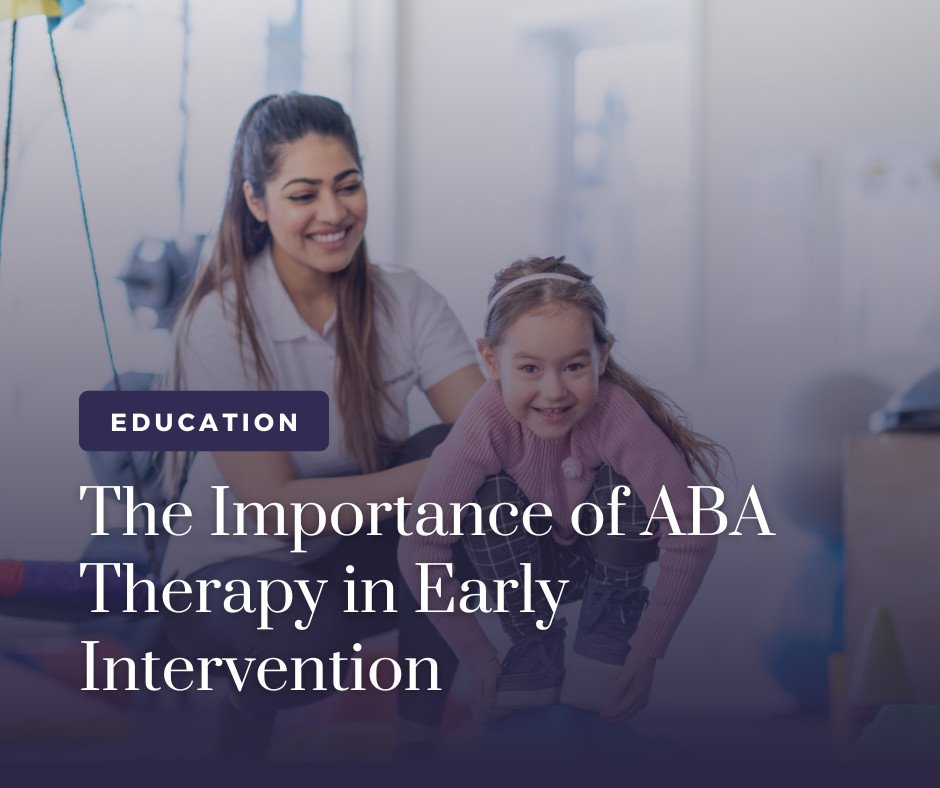
It’s almost Autism Acceptance Month! This April, we’re celebrating neurodiversity, inclusivity, and individuality. Our goal this April, and every month, is to help children improve their quality of life across the US. One of the best ways to promote independence and foster new skills in neurodivergent youth is through ABA therapy.
Applied Behavior Analysis, also known as ABA therapy, uses the principles of learning and behavior to improve socially significant behaviors and reduce problem behaviors. This method is based on the idea that all behavior is learned and problematic actions can be changed through scientific principles.
ABA therapy is effective in treating a variety of developmental disabilities, including autism spectrum disorder (ASD). Early intervention is key for children with ASD, as it can help them learn the skills they need to succeed in school and life. ABA therapy can help children with ASD develop a variety of skills, including:
Communication skills
Social skills
Play skills
Self-care skills
Academic skills
The earlier a child begins ABA Therapy, the more skills they learn and retain. Children who receive early intervention tend to have better outcomes long term. They’re more likely to finish high school, find employment, and live independently as adults.
Neuroplasticity and Autism
One of the reasons early intervention is key to helping your child thrive is neuroplasticity. Neuroplasticity is the brain’s ability to reorganize itself and form new neural connections throughout a person’s lifetime. This process begins during fetal development and continues into adulthood. During early childhood, neuroplasticity is at its peak. This is a critical time for children with ASD as they have the opportunity to learn new skills. If these skills are not learned during the early years, children with ASD will have a more difficult time mastering them later in life.
Early Intervention and ABA Therapy
Studies show that the earlier a child starts ABA therapy, the more skills they learn. ABA therapy can help children with ASD improve their social skills, communication skills, and behavioral skills. ABA therapy can also reduce behaviors that might be undesired, such as aggression toward others or self-injury. The same studies demonstrate that children will carry these abilities into adulthood and utilize them in new situations, like making friends, navigating transportation, and working jobs.
The Benefits of Early Intervention ABA
The earlier children with autism start treatment, the more likely they are to see long-term success and positive impacts. Some of the benefits include:
An easier ability for kids to develop positive behaviors
A reduction in negative behaviors
Improved communication and social skills
School and classroom readiness
Child and parent empowerment
If you’re ready to experience the benefits of early intervention, contact us today! At Essential Speech & ABA Therapy, we help children as young as 18 months master new skills and meet developmental milestones. If you’re ready to see the Essential Speech & ABA Therapy difference, call a location near you!